

AI in die manufacturing: hype, hope, and reality
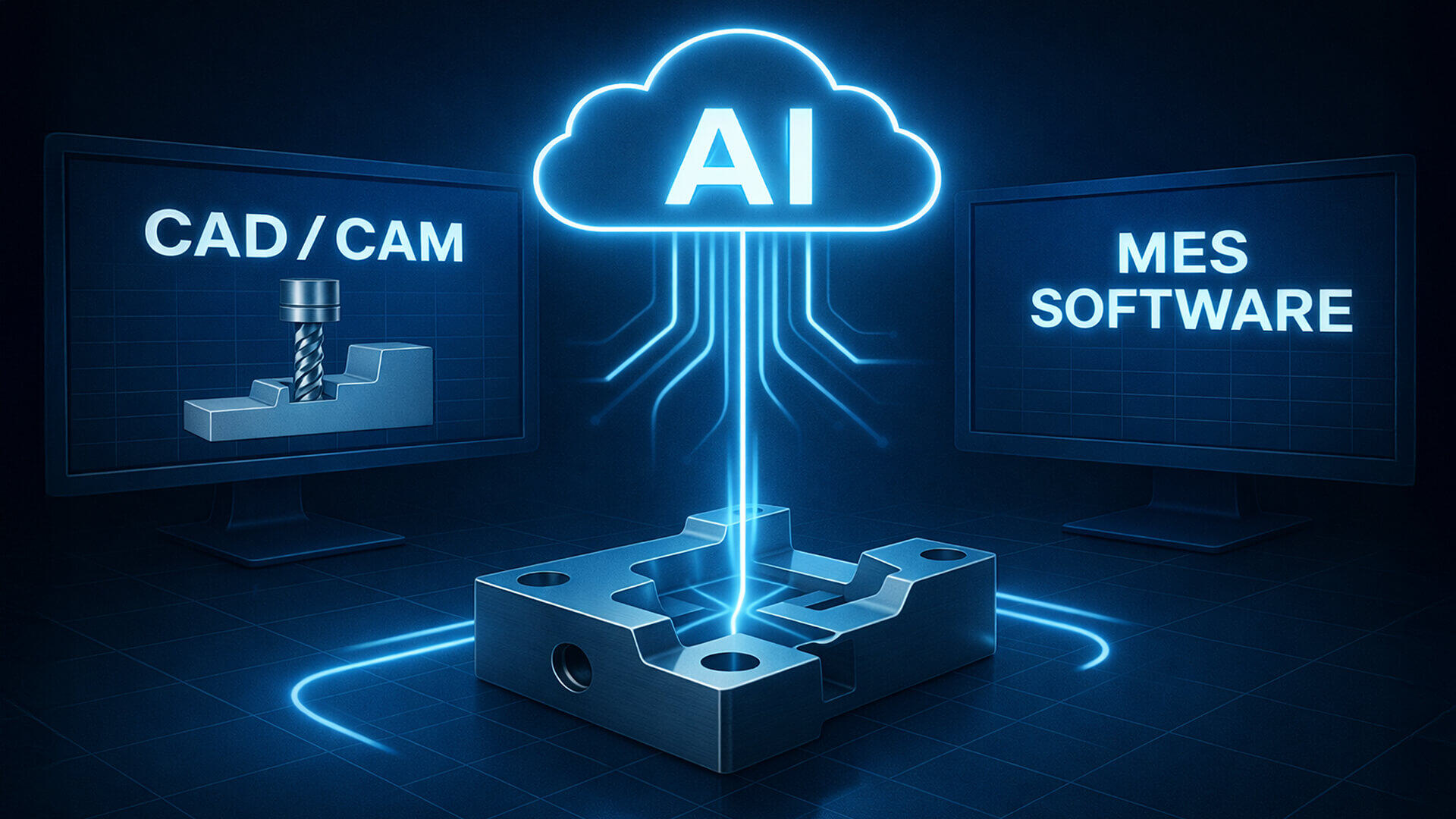
Die and mold making are the foundation of industrial manufacturing. Without high-precision dies, there would be no complex parts for automobiles, airplanes, or consumer goods. The industry emphasizes quality and precision—but when it comes to digitalization, the situation is rather different. While over 80% of companies work with state-of-the-art 5-axis machining centers, less than 20% consistently use digital process chains. In many contexts, the most important planning and calculation tools are still spreadsheets and gut feelings. This disconnect between technological excellence and organizational backwardness is a core problem—but at the same time, it represents the industry’s greatest opportunity.
Digitalization: Status quo and challenges
A recent study of digitalization among 314 SMEs* reveals a clear picture:
- 73% of the companies are beginners at digitalization.
- Only 7% qualify as “digital experts”.
- Only 2% can be considered innovators.
The consequences are serious:
- 76% of the companies view their insufficient digitalization as a competitive disadvantage.
- 82% mostly work with manual or semi-automated processes.
- 68% struggle with data silos and a lack of integration.
- 72% have problems with digital collaboration.
Meanwhile, the economic advantages are obvious: Companies that digitalize their processes save up to 32% on process costs, 28% on administrative costs, and 22% on storage costs. In comparison with these figures, conventional optimization approaches, such as cutting tool costs by a few percent, appear barely significant. Thus, the question is not whether digitalization is necessary, but how quickly it can be implemented.
AI: the new Industry 4.0?
Artificial intelligence is often touted as the next revolution. But is AI really the new Industry 4.0? Yes, if we’re not careful. As with previous hypes, there is a risk that companies that lack a clear strategy will invest in expensive pilot projects that produce no lasting benefits. AI is not an end in itself—it is a tool that only works with the right foundation: clean data, consistent processes, and a culture that allows change.
Practical use cases for die manufacturing
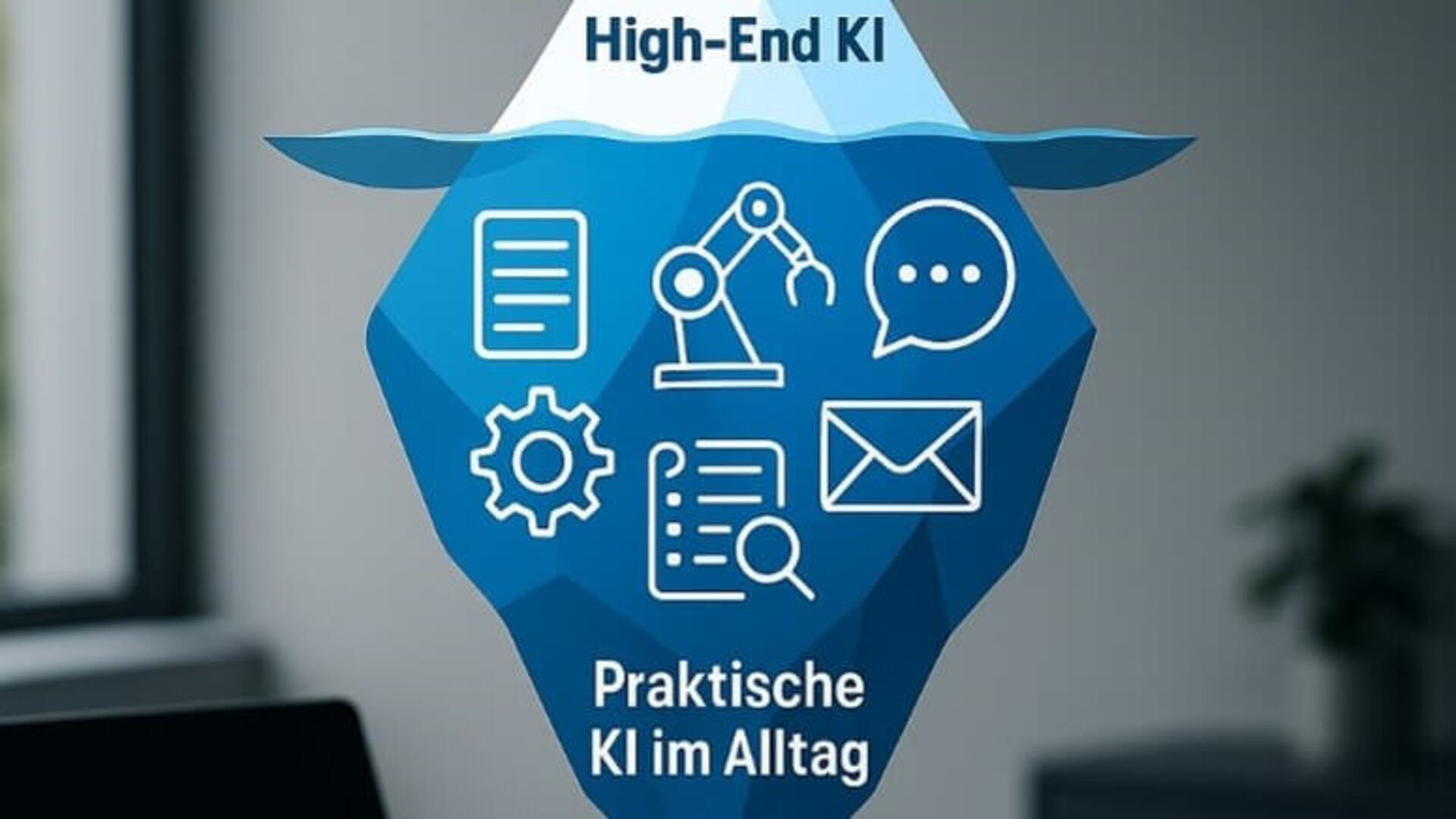
The first steps in using AI need to be pragmatic. To find use cases that make sense, look for scenarios where large data volumes are processed or repetitive tasks can be automated. Examples:
- Requirements analysis: AI can recognize technical requirements, timetables, and budget constraints, provide a structured summary of the most important points, and help compare different versions.
- Preparing offers: Automated evaluation of customer data and project histories accelerates the calculation and improves transparency.
- Documentation and communication: AI can take notes in customer meetings and allocate tasks, significantly reducing the administrative workload.
- Machine selection: AI-supported systems can suggest the optimal machine based on part geometries and manufacturing parameters.
- Quality forecasts: Historical data can be analyzed to identify sources of defects early on and help avoid them.
- Predictive maintenance: AI can optimize maintenance intervals and reduce unplanned downtime.
These applications aren’t science fiction—they can be implemented right now, as long as companies define clear use cases and invest in the necessary foundations.
Economic benefits: More than just tool costs
The study demonstrates that digitalization can cut process costs by up to 32%, administrative workload by 28%, and energy costs by 15%. In comparison, conventional optimization of machining tools often only yields savings of 3%. Therefore, continuing to focus primarily on tool costs ignores a huge source of potential. AI provides additional leverage: Besides cutting costs, it can also improve the speed and quality of decisions—a crucial advantage in a market that demands ever shorter delivery times and greater flexibility.

The human element is still key
There’s one thing that no amount of automation can change: Success in die manufacturing depends on a combination of process thinking, technology, and people. AI can help prepare for decision-making, but it cannot take responsibility. It can analyze data, but it cannot replace a die maker’s experience. The future belongs to companies that combine the two: digital intelligence and excellence in craftsmanship.
Conclusion and recommendations for action
The industry is at a turning point. Companies that act now can both cut costs and also maintain their long-term competitiveness, but those that hesitate risk getting left behind. Technology never stands still—you’re either on board, or you’ve missed the boat. Die manufacturing must learn to walk before it can run. AI is a marathon, not a sprint—and the race already began long ago.
Recommendations for getting started:
- Establish a digital basis: Data quality and process integration are essential.
- Define use cases: small, measurable projects instead of grand visions.
- Involve employees: Acceptance is the key to lasting success.
- Take advantage of partnerships: Technology providers and consultants can make the transition easier.
- Measure success: It’s essential to define clear KPIs for time, costs, and quality.
